Rockwill Rough Sans Serif Font: A Web Designer's Handy Typeface
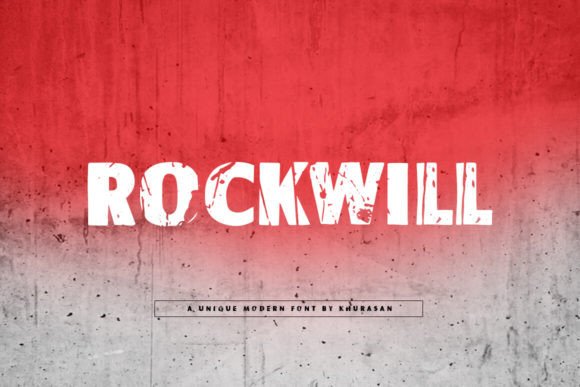
I was midway through a portfolio redesign for a friend’s illustration studio when I hit the usual wall. The hero section needed a headline that felt handmade but still professional—something with texture that wouldn’t break on a 4K monitor. That’s when I pulled up Rockwill, a modern sans serif rough font, and dropped it into the mockup. The moment I hit preview, the whole layout clicked. The rough edges gave the nameplate a tactile, screen-printed feel, while the sans serif structure kept it clean enough for a digital portfolio. For any web designer or UI designer testing display fonts in a real project, Rockwill offers that rare balance between character and readability.
Rockwill for Hero Sections and Landing Page Headlines
Testing Rockwill in a landing page context became my first deep dive. I placed it in the hero headline of a product landing page for a small-batch ceramics brand. The font’s rough texture paired well with the hand-thrown pottery photography. Because Rockwill is a modern sans serif rough font, it held up at large sizes—72 px and above—without losing legibility. The slight irregularity in the letterforms added warmth, which is often missing in standard digital typefaces. When I scaled it down to 36 px for a supporting tagline, the rough details remained visible but not distracting. For designers building brand landing pages, this font works especially well as a hero title or a bold call-to-action header. It draws the eye without overwhelming the visual hierarchy.
How Rockwill Sans Serif Font Improves Brand Readability
One concern I had was whether a rough sans serif font could maintain clarity in shorter phrases like navigation labels or button text. I ran a quick readability test on a boutique online store mockup. At 24 px on a light background, Rockwill remained crisp. The rough edges are subtle enough that they don’t interfere with character recognition, yet they add enough personality to distinguish the brand from a generic sans serif font. For digital creators building a brand kit, this font can be used in section headings, menu items, and even short product descriptors. The key is to reserve it for display purposes rather than long body paragraphs. When combined with a simpler sans serif for body copy, Rockwill creates a clear visual hierarchy that guides users through the page naturally.
Pairing Rockwill with Clean Sans Serif Fonts for Body Text
Every web designer knows that font pairing can make or break a layout. I tested Rockwill as the display face for a coaching website’s homepage. For body text, I chose a neutral sans serif font like Inter. The contrast was immediate: Rockwill brought energy and handcrafted warmth to headings, while the clean sans serif font maintained professional readability for longer blocks of text. This pairing works because Rockwill’s rough texture is distinctive but not aggressive. It doesn’t compete with body copy; instead, it anchors the page. For blog graphics and digital ads, I also tried Rockwill with a light serif font for pull quotes. The mix of rough and refined gave the editorial layout a contemporary, magazine-like feel. If you’re working on a creative portfolio site or a course sales page, pairing Rockwill with a simple sans serif is a safe, effective choice.
Using Rockwill in Online Store Banners and Logo Design
For the ceramics brand, I also tested Rockwill in the online store’s promotional banners. The font’s personality matched the artisanal product line perfectly. I used Rockwill for the main offer text—“Hand-Thrown, One of a Kind”—and paired it with a subtle drop shadow for depth. On mobile, the banner scaled down nicely, and the rough edges remained distinct even at smaller sizes. When I shifted to logo design mockups, Rockwill held its own as a standalone wordmark. The rough texture gave the logo a stamped, analog feel that digital audiences rarely see. For small business owners and creative entrepreneurs looking to build a cohesive brand identity, this font can serve as both a logo typeface and a supporting display font across marketing materials. Just ensure you have the right webfont formats—WOFF2 is recommended for fast loading—and check the commercial license if you plan to use it in client projects or online stores.
Rockwill Font Performance on Mobile and Responsive Layouts
Responsive design is where many display fonts stumble. I loaded Rockwill into a responsive prototype and checked it across viewports from 320 px to 1920 px. At 48 px on a mobile hero, the rough texture was visible but not harsh. At 18 px on a button, the font remained readable, though I wouldn’t recommend it for body copy below 14 px. Because Rockwill is a modern sans serif rough font, it benefits from adequate letter spacing—around 2–4 px tracking—when used in small UI elements. On dark backgrounds, the font maintained contrast well, especially with a light color overlay. For fast-loading visual content like campaign landing pages or digital ads, Rockwill works well as an image overlay font, provided you use a semi-transparent background or drop shadow to maintain readability. Performance-wise, the font file loaded quickly when hosted locally, and the CSS @font-face declaration was straightforward.
Checking Rockwill Webfont Formats and Licensing for Commercial Use
Before committing to Rockwill in any client project, I always verify the included file formats and licensing terms. For web use, you’ll typically need WOFF2 files for modern browsers and potentially WOFF for fallback. Rockwill also comes in TTF and OTF formats, which are useful for print design and logo creation. If you plan to use Rockwill on a website, online store, or landing page, confirm that your license covers web embedding and commercial distribution. Many premium font licenses allow for use in digital templates, brand assets, and client websites, but restrictions may apply. For designers building multiple client sites or selling digital templates, a multi-user or extended commercial license is often necessary. Checking these details early prevents headaches down the line. I also recommend testing the font with multilingual content if your audience uses accented characters or non-Latin scripts, as not all display fonts offer full character coverage.
After a week of testing Rockwill across various projects—from a coaching website to a product landing page and a ceramics online store—I can confidently say it’s a versatile addition to any digital product creator’s toolkit. Its rough texture brings warmth and authenticity to modern web layouts, while its sans serif foundation keeps it accessible and professional. For web designers, UI designers, marketers, and creative business owners looking to build a more polished online brand experience, Rockwill offers a distinctive voice without sacrificing usability. Whether you’re crafting a hero headline, a logo, a banner, or a call-to-action button, this font delivers character and clarity in equal measure.